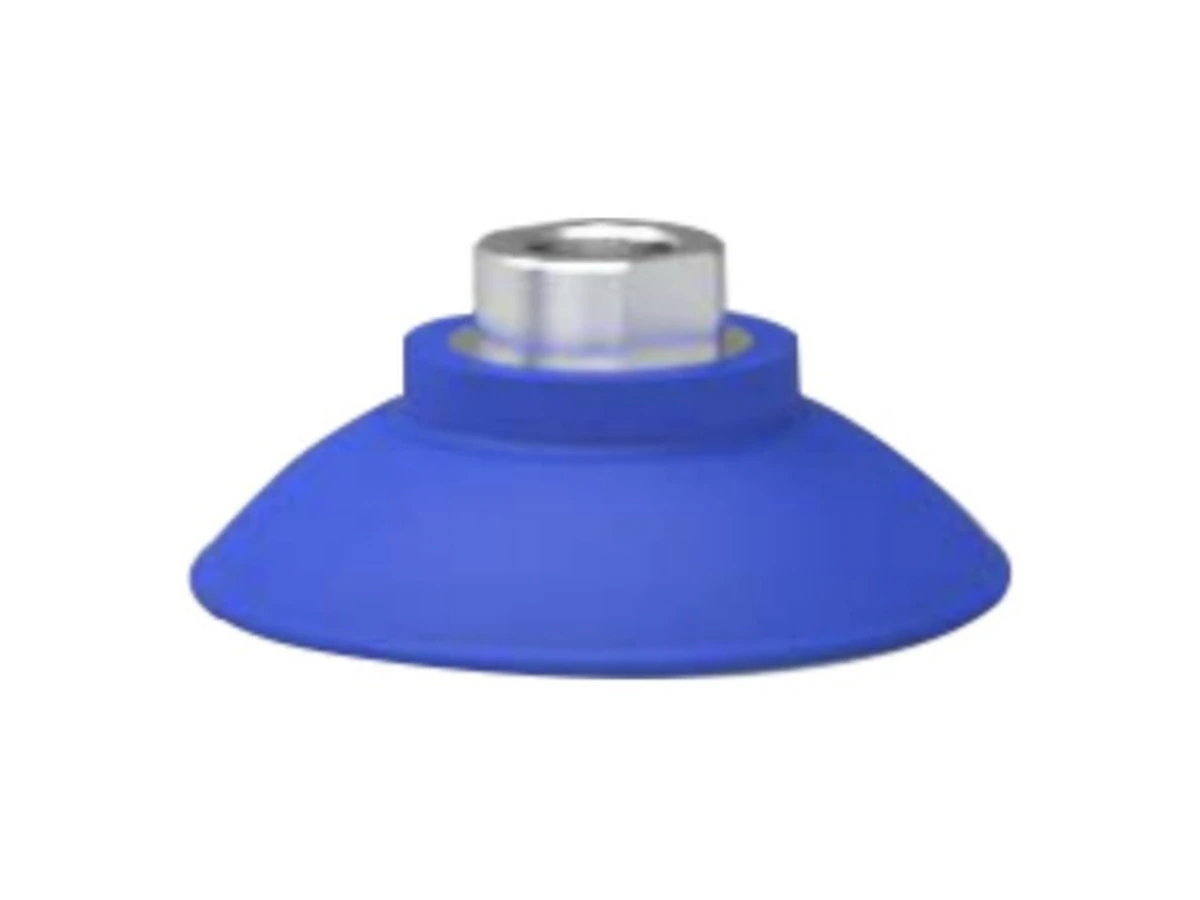
MAF Series Vacuum Suction Cups
Explore MAF flat cups for metal-sheet handling. Review the selected model’s material, connections and dimensions.
View Product & Request a QuoteApplication & component selection
Start with the sealing surface, then review cup contact, vacuum generation, connections and the handling motion together. This guide helps define an application inquiry; the product category remains the place to browse the component range.
01 / Requirements
Describe the material, geometry and usable sealing area. Include the actual surface condition, openings or texture that may affect the seal, and any contact or marking restrictions. For porous or variable surfaces, provide leakage or sample-test information where available. Unknown behavior should remain a question, not an assumed performance value.
Separate flat rigid surfaces from thin or flexible materials. Start with MAF for metal-sheet handling, SF for the flat-workpiece applications described on its product page, or SPA for paper, plastic film, aluminum foil and copper foil. Review each candidate against the actual workpiece and selected configuration.
02 / Requirements
Compare cup geometry, material options, mounting and connections on the product pages. SF is a flat-cup family; SPA uses thin-lip flat geometry for the paper, film and foil applications listed above. Confirm temperature, marking restrictions and seal performance for the actual material and surface.
For metal sheets, review the MAF model and connection drawings. Describe the real surface condition and motion before selecting a configuration. Use the dimensions for the chosen model rather than applying one drawing to every size.
03 / Requirements
Document the available air supply and the vacuum-generation arrangement, together with the cup layout and connection information. If vacuum, flow or cycle requirements are known, provide their conditions. Distinguish an application requirement from a catalog maximum.
VT has VTM, VTL and VTS configuration references with model-specific supply, vacuum, flow, consumption and dimensional data. Review the relevant model before inquiry. This guide does not calculate extraction time, claim an energy-saving percentage or confirm that a VT configuration will suit a particular cup array.
04 / Requirements
Confirm the cup connection, fittings, vacuum line and generator ports against their applicable drawings. ZFC provides filter-family and engineering references for connection review. The exact configuration, filtration requirement and interface need confirmation; the presence of a filter in the catalog is not proof of compatibility with VT or a selected cup.
The mounting arrangement must provide the required contact position while allowing the workpiece to move and release. Describe the orientation, acceleration, height variation and clearance constraints. Component dimensions and static data do not certify the assembled handling system. Use the pick & place guide for the broader pickup, transfer and release workflow.
Review the contact, supply and installation questions together. The listed product references guide browsing; they do not select a tested combination.
| Application condition | Information needed | Reference to review |
|---|---|---|
| Metal-sheet contact | Geometry, actual surface condition and permitted contact area | MAF cup models and connection drawings |
| Flat-workpiece contact | Material, sealing area, surface and selected configuration | SF applications and model guide |
| Paper, film or foil contact | Material, flexibility, support and contact restrictions | SPA thin-lip geometry and model-specific references |
| Vacuum generation | Available supply, cup layout and known vacuum/flow conditions | VT configuration, supply and engineering data |
| Connections and filtration | Ports, fittings, line arrangement and filtration requirement | Selected cup/generator drawings and ZFC filter references |
| Mounting and motion | Contact position, orientation, motion and clearances | Mounting-component references and application review |
On smaller screens, scroll the comparison table horizontally.
Compare HNQ products using their model guides and engineering drawings. Shortlist candidates for an RFQ, then confirm interfaces and application suitability before ordering.
Explore MAF flat cups for metal-sheet handling. Review the selected model’s material, connections and dimensions.
View Product & Request a Quote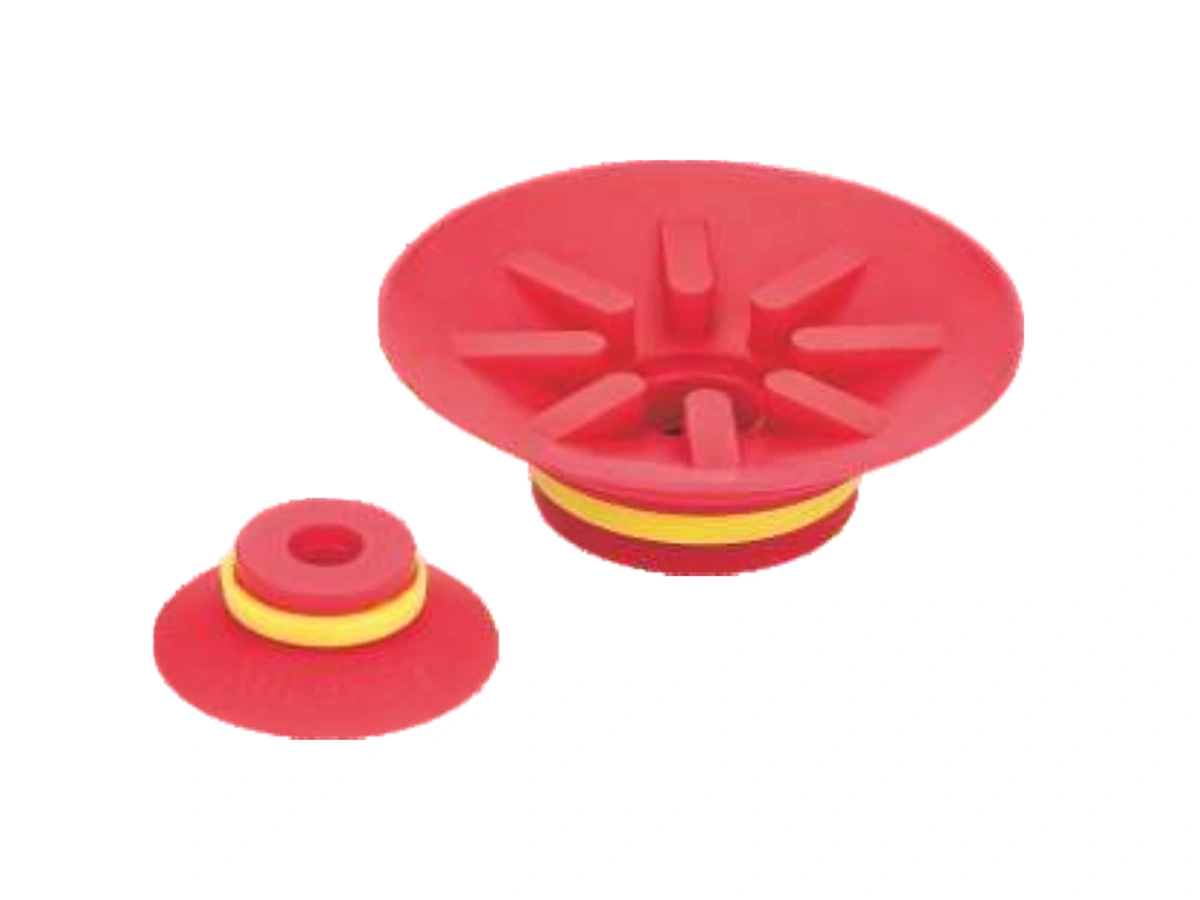
Compare SF flat cups for smooth wooden/steel plates, plywood, electronic components and plastic plates. Confirm the actual surface and model configuration.
View Product & Request a Quote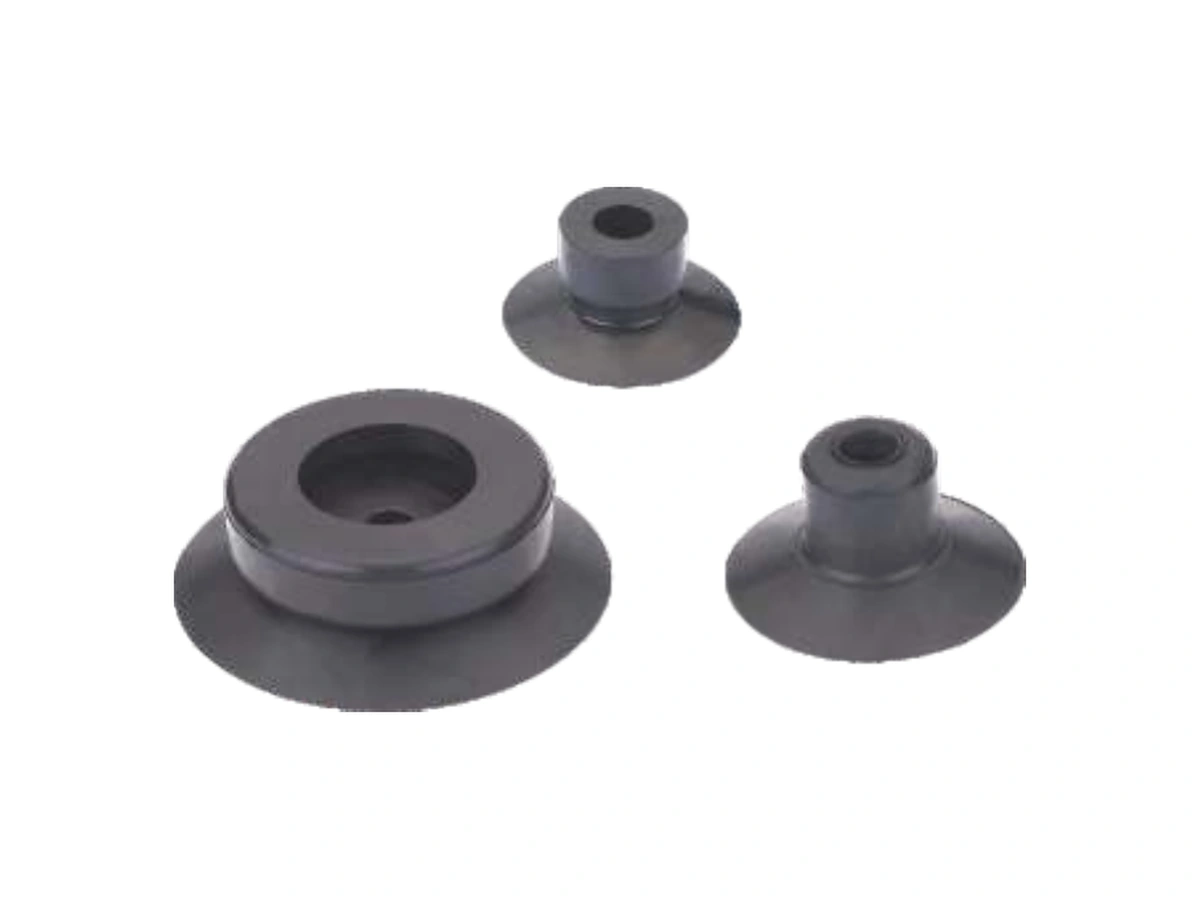
Explore SPA thin-lip flat cups for paper, plastic film, aluminum foil and copper foil. Review the actual material and contact arrangement.
View Product & Request a Quote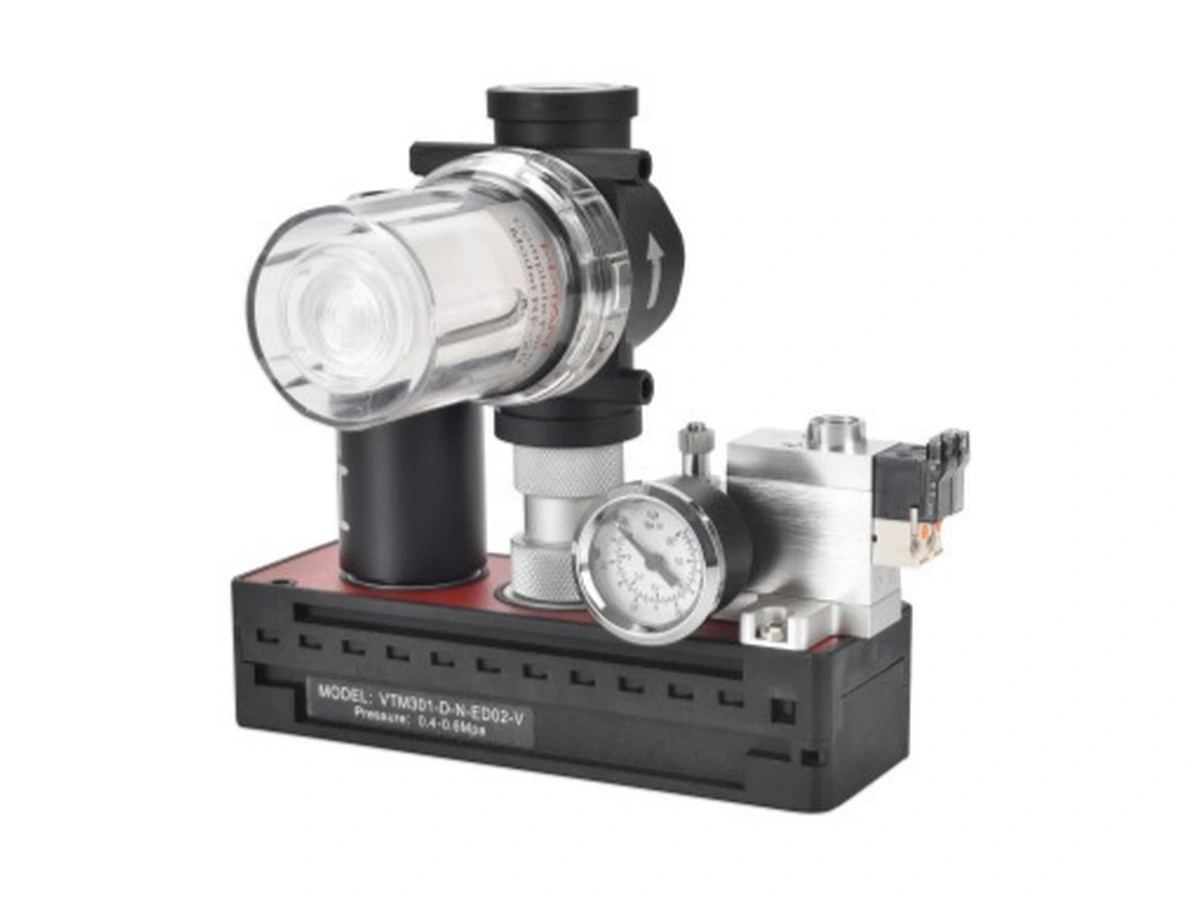
Compare VTM, VTL and VTS vacuum generators using model-specific supply, performance, port and dimensional data.
View Product & Request a Quote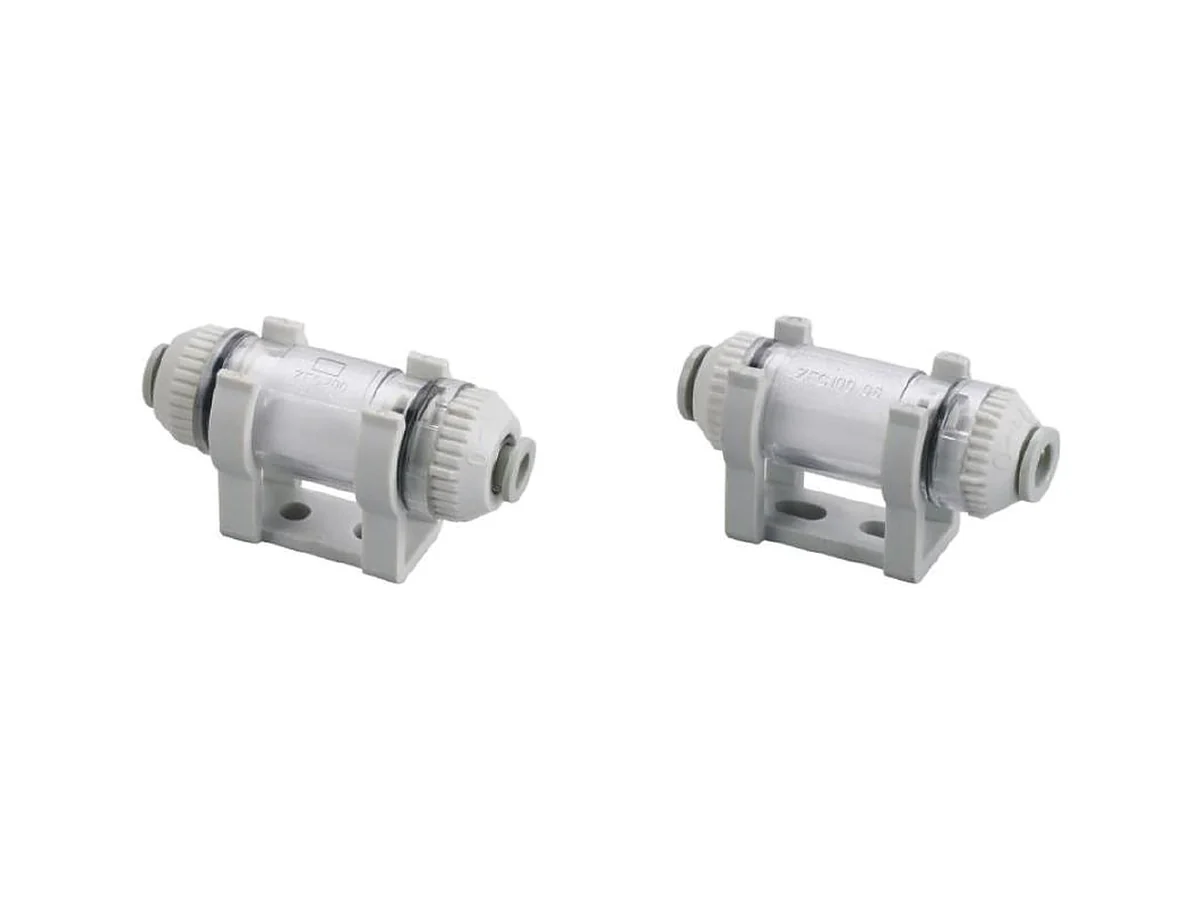
Review ZFC vacuum filter families and connection drawings. Confirm the exact configuration and filtration requirement during inquiry.
View Product & Request a QuoteApplication RFQ
Provide the contact and vacuum-source information together. If you know a candidate model, add it from its product page to the existing RFQ List. Otherwise, describe known and unknown requirements in the Contact message.
Include these details in your inquiry message. Leave unknown values or part numbers open for confirmation. Mention available drawings and ask how to share them; the form has no file-upload function.
Kunshan Haonaiqi Automation Technology Co., Ltd supplies vacuum handling components and supports selection and quotation inquiries. Use this guide to define the task, then confirm the cup, vacuum source, connections and mounting together. Surface suitability, any certification requirement and complete-system load capacity require separate verification; this guide does not size or certify a system.
No such conclusion is made here. Review the usable seal, material, surface condition, geometry and handling task. The listed application references are starting points for inquiry, not guarantees for an untested workpiece.
MAF is a starting point for metal-sheet handling. SF covers the listed flat-workpiece applications. SPA offers thin-lip geometry for paper, plastic film, aluminum foil and copper foil. Compare the relevant family, then confirm material, connections and task details.
No. Cup contact and vacuum-source requirements need to be reviewed together, including supply, line arrangement, leakage and known task conditions. VT provides configuration-specific data, not automatic matching to a cup array.
No compatibility is assumed. Review the selected generator and filter connections, exact configuration and filtration requirement using the applicable engineering references and inquiry.
State what is known and mark the remaining items as unknown in the message. Include workpiece and connection references where available. Do not create a performance value or a part number to complete the inquiry.