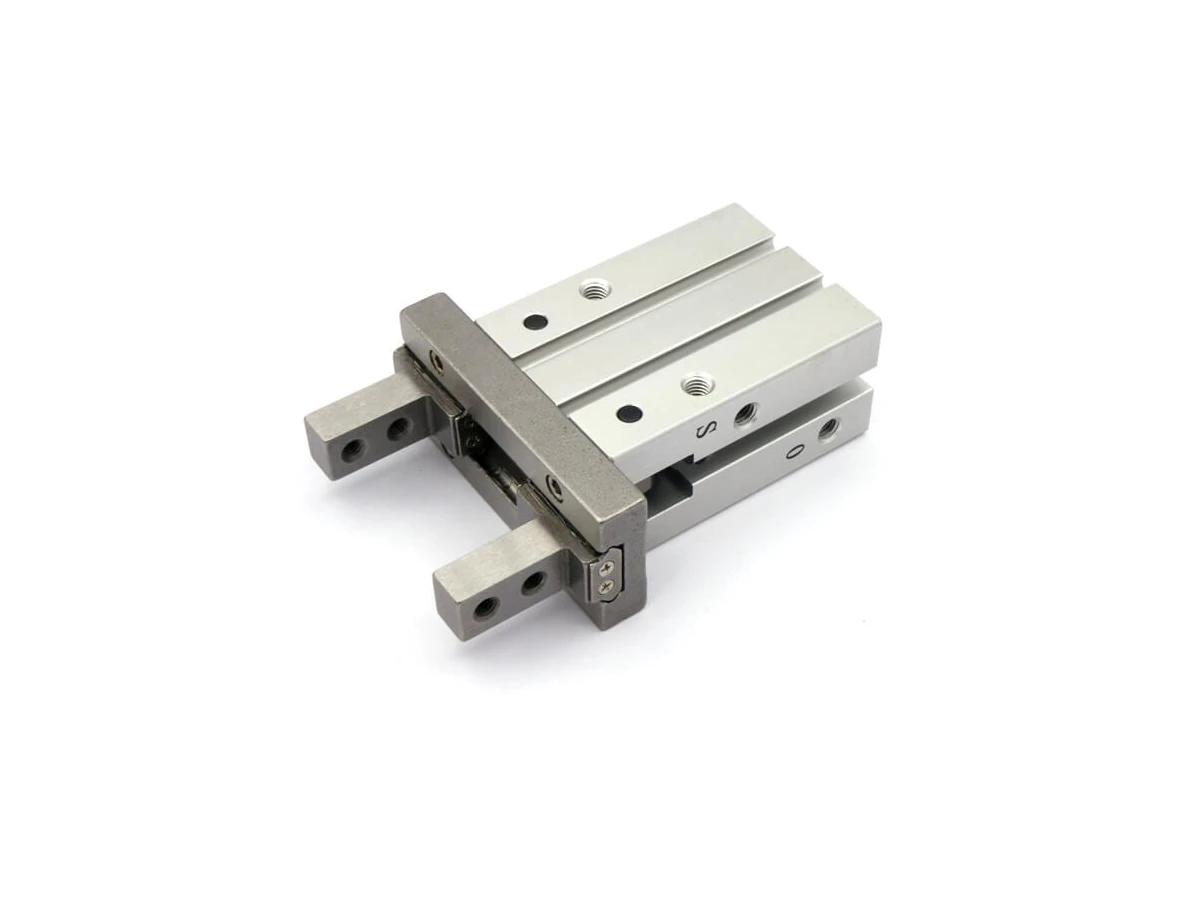
Parallel Grippers
GMHZ2 standard-stroke and GMHZL2 long-stroke parallel grippers. Review action, opening/stroke and dimensions for the chosen model and jaw arrangement.
View Product & Request a QuoteApplication & component selection
Choose a gripping approach around your workpiece and its pickup, transfer and release requirements. Explore HNQ mechanical grippers, vacuum cups and vacuum generators, then review the selected components against your actual handling task.
01 / Requirements
Begin with the workpiece geometry, presentation and accessible contact areas. Mechanical gripping needs a usable jaw-contact arrangement and room for the fingers to approach and close. Vacuum gripping needs an appropriate sealing area and a review of the surface, material and possible leakage.
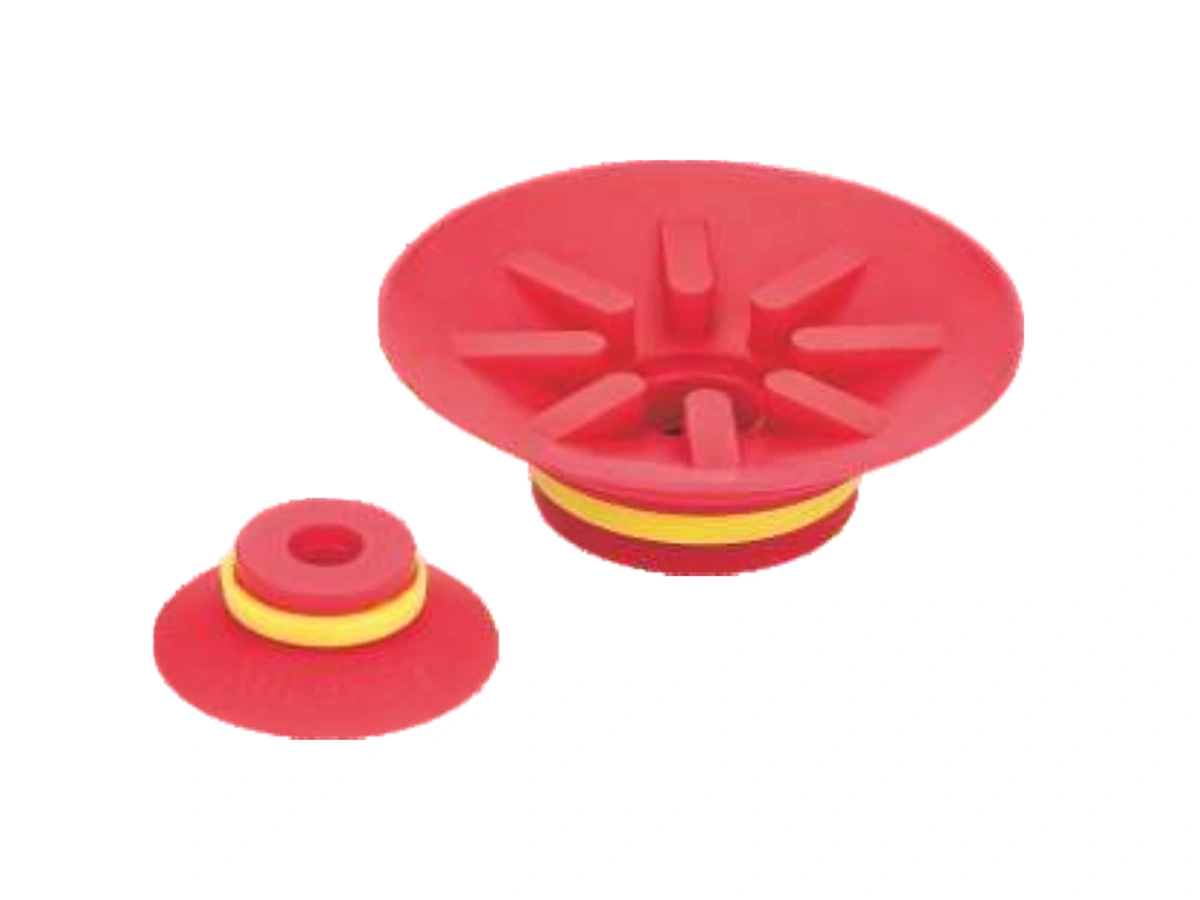
Compare GMHZ2 standard-stroke and GMHZL2 long-stroke parallel grippers using their model-specific action and dimensional data. For vacuum gripping, explore SF flat cups for smooth wooden or steel plates, plywood, electronic components and plastic plates. Confirm the contact arrangement for your part before choosing either approach.
02 / Requirements
Describe the transfer orientation, acceleration requirements and available clearance. Confirm whether the contact arrangement changes as the workpiece moves. The component, mounting structure and workpiece must be reviewed together; a static gripping-force or suction-force entry cannot, on its own, confirm the moving application.
For a vacuum path, review the vacuum-source, connection and supply requirements as well as the cup. VT provides configuration-specific engineering references. It is not automatically matched to every cup size, cup layout or workpiece surface. Use the vacuum handling guide for a more detailed requirement checklist.
03 / Requirements
State the release position and orientation, the receiving surface or fixture and any placement/contact restrictions. For mechanical gripping, review the required opening clearance and action. For vacuum gripping, describe the release requirement and have the control arrangement confirmed for the selected components.
Record the required cycle information as a project input. This component guide does not promise a cycle rate, placement accuracy, vision-guided picking or robotic system integration. If a workpiece changes between variants, include each variant rather than assuming one selection covers them all.
Compare the conditions that must be established for each path. This is a requirement matrix, not an automatic model selector.
| Selection question | Mechanical gripping | Vacuum gripping |
|---|---|---|
| Where can the workpiece be contacted? | Identify jaw-contact faces and permitted contact pressure/marks | Identify sealing area, surface condition and contact restrictions |
| Can the component reach the pickup point? | Review finger approach and opening/closing clearance | Review cup contact, mounting position and available space |
| What changes during transfer? | Confirm grip geometry, orientation and motion requirements | Confirm seal behavior, leakage and orientation/motion requirements |
| What supply and control are available? | Confirm selected action, air connections and detection requirements | Confirm vacuum source, air supply, connections and control requirements |
| How must the workpiece be released? | Review opening clearance and receiving position | Define release behavior and confirm the vacuum-control arrangement |
| Which references help the inquiry? | GMHZ2 / GMHZL2 model and dimensional references | SF cup references and VT vacuum-source references |
On smaller screens, scroll the comparison table horizontally.
Compare HNQ products using their model guides and engineering drawings. Shortlist candidates for an RFQ, then confirm interfaces and application suitability before ordering.
GMHZ2 standard-stroke and GMHZL2 long-stroke parallel grippers. Review action, opening/stroke and dimensions for the chosen model and jaw arrangement.
View Product & Request a QuoteExplore SF flat cups for smooth wooden/steel plates, plywood, electronic components and plastic plates. Check the actual sealing surface and selected configuration.
View Product & Request a Quote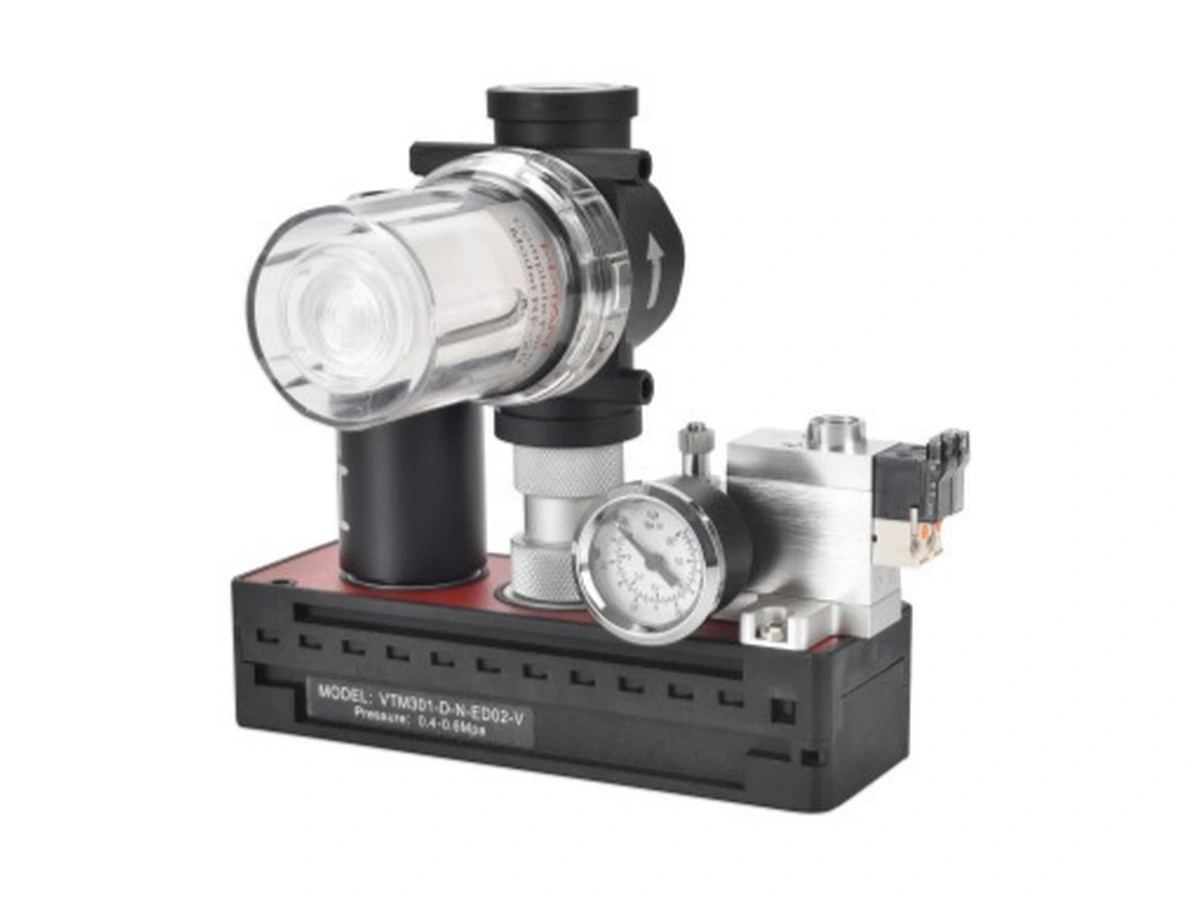
Compare VT VTM, VTL and VTS vacuum generator configurations. Review model-specific performance, supply requirements and dimensions.
View Product & Request a QuoteApplication RFQ
Use the product pages to review candidates and collect known components in the existing RFQ List. For an open selection, send the task requirements through Contact. The application page does not automatically match products or generate a price.
Include these details in your inquiry message. Leave unknown values or part numbers open for confirmation. Mention available drawings and ask how to share them; the form has no file-upload function.
Kunshan Haonaiqi Automation Technology Co., Ltd supplies end effector and gripping components for industrial automation. This guide supports component selection and procurement, not complete robot workstations, vision systems, robot programming or system integration. Confirm model and assembly suitability for your application.
Start with the available contact areas and access to them. Review jaw geometry for a mechanical path, or sealing surface and leakage conditions for a vacuum path. Then examine transfer and release requirements. Neither path is selected automatically by this guide.
No. SF is used as a starting point for the flat-workpiece applications described above. Review the actual surface, material, cup configuration and handling task; those applications do not establish a tested grip on every part.
Consider MAF when reviewing metal-sheet handling. It is not the default cup for general pick & place. Review its model and connection drawings alongside the vacuum handling requirements for your sheet.
Review the MAF metal-sheet referenceYes. Use Add to RFQ on the existing product pages and review the selections in the RFQ List. Include model references, quantities and task details. The list collects procurement candidates; it does not verify that the components form a compatible assembly.