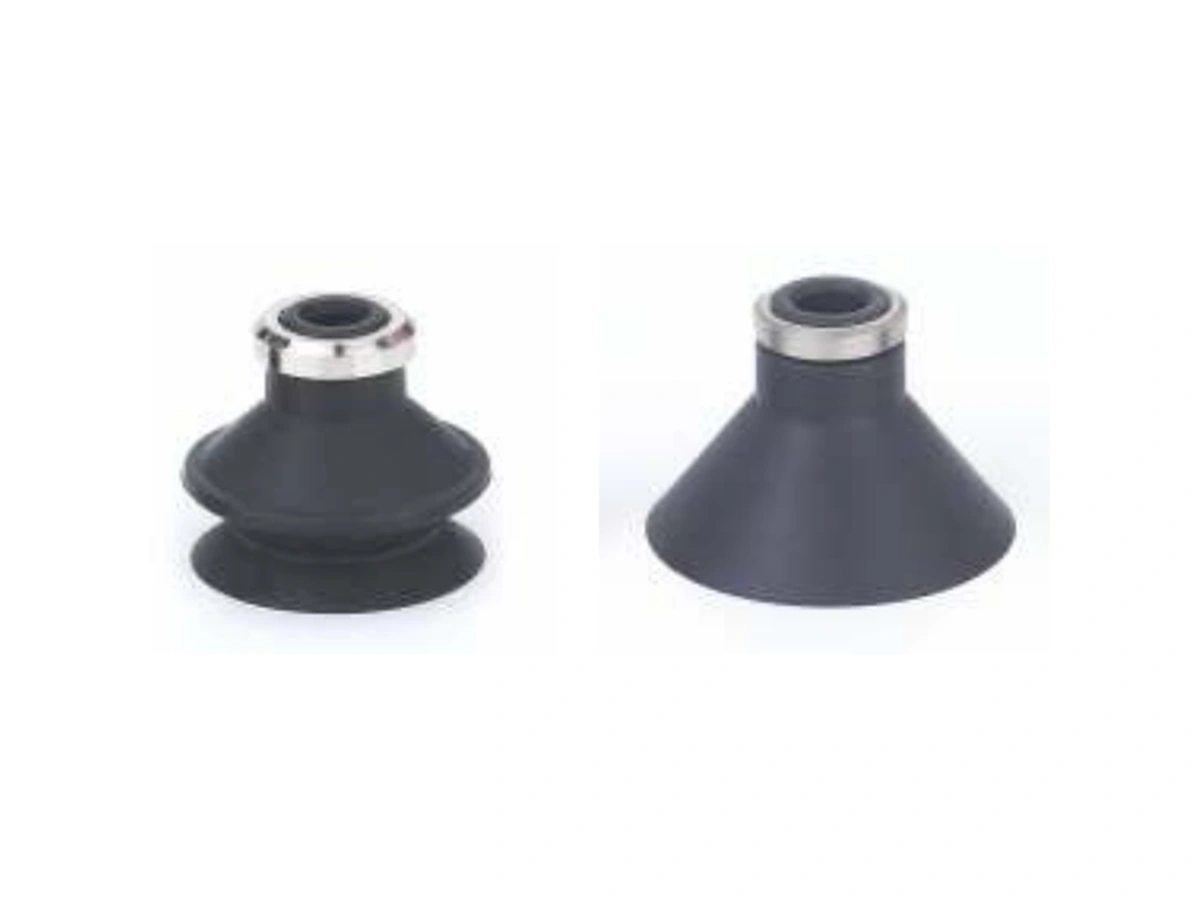
SZ Series Vacuum Suction Cups
Explore the SZ small-cup geometry and fitting references for an electronic-part contact area. Review the selected profile, material and mounting dimensions.
View Product & Request a QuoteApplication & component selection
Small electronic parts can have limited contact space, features that must remain clear and specific surface requirements. Define the intended pickup region and installation envelope before comparing cup geometry or a mechanical gripping arrangement.
01 / Requirements
Identify the part being handled, its orientation and the area available for contact. Mark any leads, connectors, projecting features or surfaces that the tool must avoid. Include the pickup and placement support and the allowable contact or surface change for the part.
The SZ engineering reference distinguishes flat, ribbed-flat, bellows and deep cup geometries. Use the actual contact region to decide which profile is worth investigating. Describe whether it is an even surface, an irregular shape or a block-like or rounded contact feature, then compare the selected cup dimensions and material options.
02 / Requirements
SZ and SF include electronic-component application references. SZ provides small-cup geometry, fitting and dimensional information; SF provides a flat-cup reference with size-specific connection options. Compare the selected cup with the available contact area and mounting space rather than choosing solely from the part outline.
Record the required connection thread or fitting, hose approach and nearby equipment. Where a level-compensator arrangement is being considered, review its stroke, connection and mounting drawings with the cup configuration. Keep the part dimensions and the equipment interface in the same inquiry so the proposed arrangement can be assessed together.
03 / Requirements
State any requirements for electrostatic control, cleanliness, contact materials or cleaning. Identify the required documentation and the selected configuration to be assessed. A conductive material option alone does not establish ESD certification or suitability for a complete handling process.
For a mechanical alternative, describe an accessible gripping feature, clearance and permitted contact force. Parallel-gripper dimensional and stroke references can support that discussion. Include the motion, available air or vacuum supply and release requirements for either approach, especially when the part must be placed in a precise support or fixture.
Keep the component contact, equipment interface and process requirements distinct when preparing a selection inquiry.
| Topic | Input to provide | Reference to review | Question for selection |
|---|---|---|---|
| Contact geometry | Permitted area and surrounding part features | SZ flat, ribbed-flat, bellows or deep profiles | Which profile can reach the intended contact region? |
| Part and cup size | Part dimensions and usable pickup area | SZ or SF selected-size drawings | Does the candidate fit the available contact space? |
| Connection and routing | Thread, fitting, hose approach and mounting space | Cup connection and compensator drawings | How will the cup attach within the tool envelope? |
| Surface requirements | Contact restrictions, marking and cleaning needs | Selected material configuration | What material and contact conditions need assessment? |
| Process requirements | Electrostatic-control or cleanliness specification | Required configuration and documentation | Which requirements must be confirmed for this inquiry? |
| Mechanical option | Gripping feature, clearance and permitted force | Parallel-gripper stroke and jaw-interface data | Is a mechanical contact arrangement appropriate? |
| Pickup and placement | Support, orientation, motion and release | Complete proposed tool and supply arrangement | What task details affect the component selection? |
On smaller screens, scroll the comparison table horizontally.
Compare HNQ products using their model guides and engineering drawings. Shortlist candidates for an RFQ, then confirm interfaces and application suitability before ordering.
Explore the SZ small-cup geometry and fitting references for an electronic-part contact area. Review the selected profile, material and mounting dimensions.
View Product & Request a Quote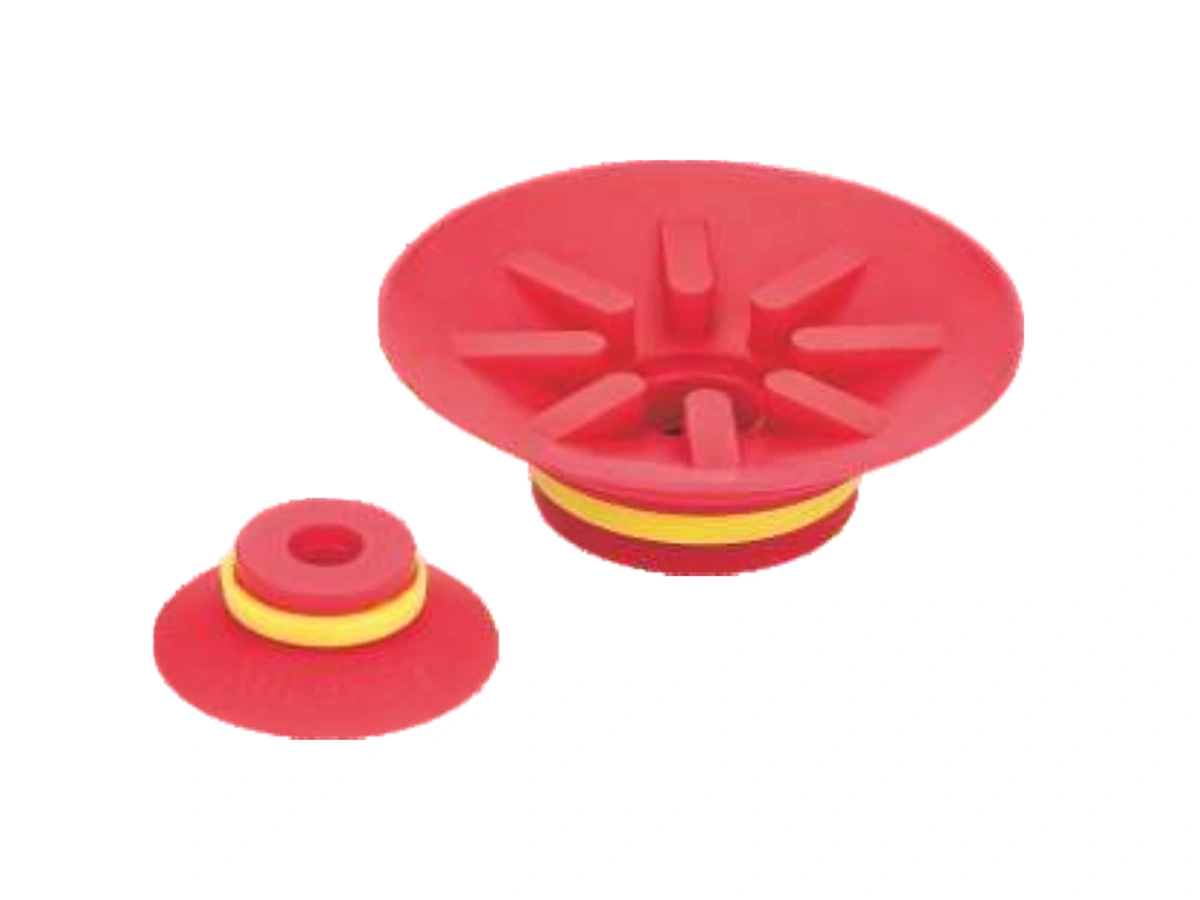
Review the SF flat-cup reference and its size-specific connections. Compare the cup dimensions and material configuration with the actual part surface.
View Product & Request a Quote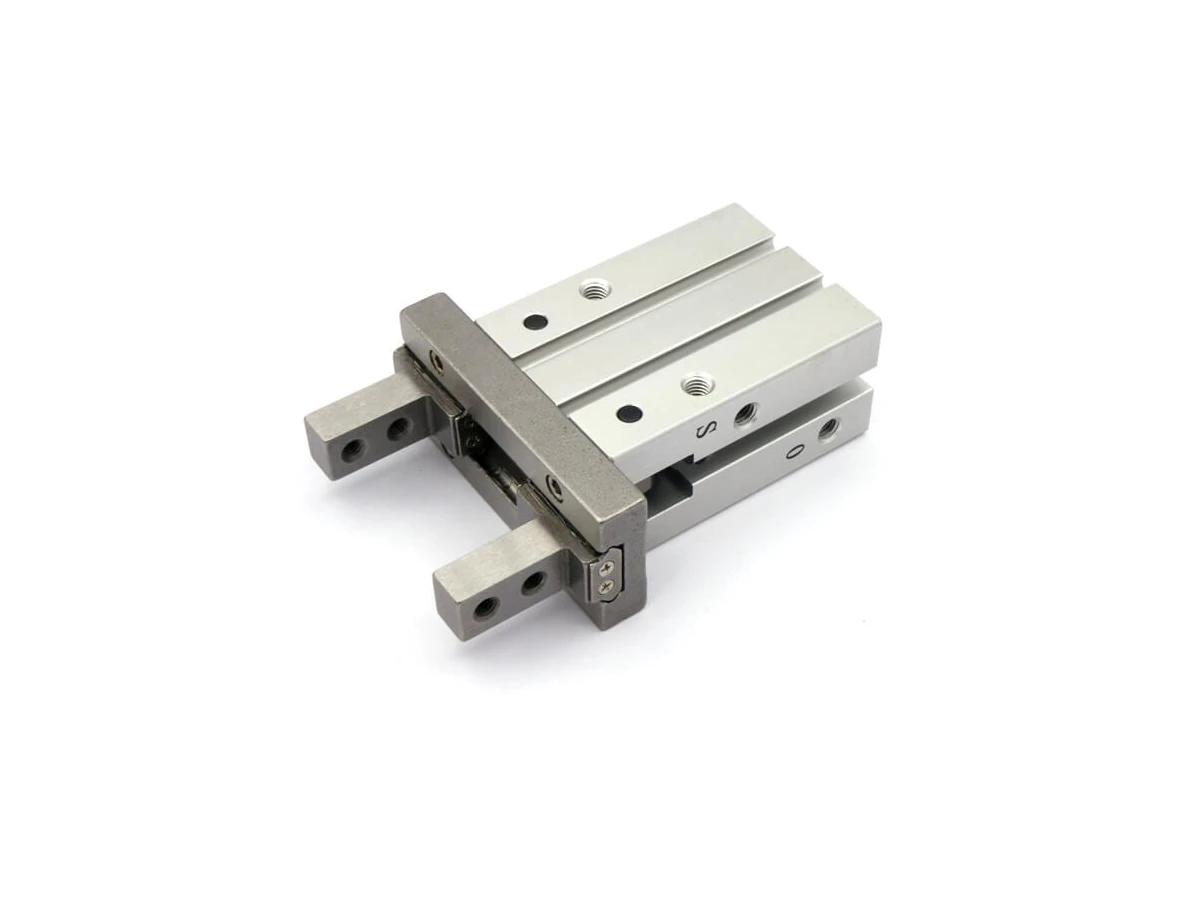
Review parallel-gripper stroke and dimensional data for a possible mechanical arrangement. Describe the accessible feature and required jaw contact separately.
View Product & Request a QuoteApplication RFQ
Describe the specific part and permitted pickup region in your inquiry. Add shortlisted components from their product pages, or use the Contact form if the cup, fitting or gripping arrangement is not yet known.
Include these details in your inquiry message. Leave unknown values or part numbers open for confirmation. Mention available drawings and ask how to share them; the form has no file-upload function.
Kunshan Haonaiqi Automation Technology Co., Ltd supplies industrial automation components and supports selection and quotation inquiries. This guide addresses small electronic-part contact and component interfaces. Suitability for a particular board assembly or controlled environment requires a separate review of the specified configuration and process.
Provide the part geometry, permitted contact region, nearby features, pickup support and placement orientation. Include contact and surface requirements as well as the mounting space for the proposed tool.
No. State the electrostatic-control specification and required documentation for the selected configuration. Material options alone do not establish certification or compliance of the complete handling process.
The exact board or assembly, available contact regions, surrounding features and process requirements need assessment. The electronic-component application references do not establish compatibility with every PCB or PCBA.
Describe the part, usable contact area, installation space and process requirements in the Contact form. If a candidate is known, add it to the existing RFQ list and identify which profile, material or connection choices remain open.